Navigating Integration Patterns Between Free Spins Mechanics and Cashback Structures at Regulated British Casino Operators
Drew Weber · Oct 13, 2026
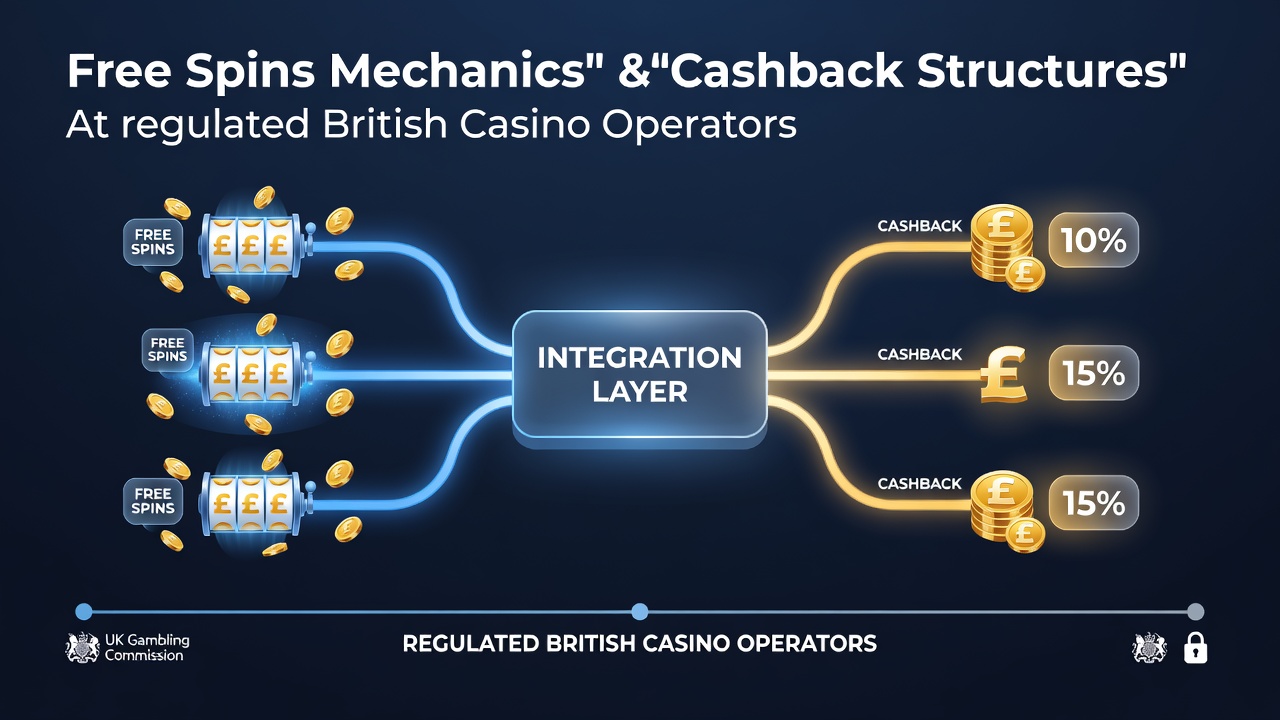
Navigating Integration Patterns Between Free Spins Mechanics and Cashback Structures at Regulated British Casino Operators
Regulated operators across Britain have developed distinct methods for combining free spins mechanics with cashback structures, creating layered reward systems that players encounter at multiple stages of engagement. These patterns reflect adjustments made in response to evolving compliance requirements and player behavior data collected through 2025 and into October 2026, when several platforms reported updated bonus frameworks following industry-wide reviews. Free spins typically trigger on specific slot titles with defined wager multipliers, while cashback activates based on net losses over set periods, and the integration occurs when operators apply sequential calculations that determine whether cashback percentages apply to amounts already converted from free spin winnings.
One common pattern involves free spins awarded as part of initial deposits, after which any resulting balances feed into loss calculations for cashback eligibility. Data from industry reports shows that operators often set separate tracking ledgers for each mechanic to prevent overlap in wagering contributions, ensuring free spin outcomes do not automatically qualify for immediate cashback refunds. This separation maintains clarity in player statements and aligns with reporting standards used by multiple oversight bodies outside the UK, including those referenced in analyses from the Australian Gambling Research Centre.
Core Mechanics of Free Spins in Licensed Environments
Free spins function through predefined parameters that include eligible games, spin quantities, and maximum win caps before funds transfer to cashable balances. Regulated sites implement these elements with automated systems that log each spin outcome against player accounts, and studies from university-led gambling research projects have documented consistent use of time-limited windows for spin activation. In October 2026 updates, several operators adjusted these windows to range between 24 and 72 hours, integrating them more closely with ongoing cashback cycles that reset monthly. The mechanics require players to meet minimum deposit thresholds in many cases, after which the spins contribute to overall activity metrics that later influence cashback percentages.
Cashback Structures and Their Operational Frameworks
Cashback operates as a percentage refund on documented losses, frequently ranging from 5 to 15 percent depending on player tier or total volume. Operators calculate these figures using aggregated data from all game types, yet they apply exclusions for certain bonus-derived funds to avoid double-counting rewards. Evidence from European trade association reviews indicates that cashback often processes on a weekly or monthly schedule, with thresholds that filter out smaller loss amounts. Integration with free spins arises when operators determine whether winnings from those spins count toward the loss base or remain isolated until converted through additional play. This distinction matters because some frameworks treat free spin winnings as promotional credits that do not trigger cashback until fully wagered and lost in subsequent sessions.
Observed Integration Patterns Across Multiple Operators
Analysts tracking British market activity have identified several recurring integration patterns. Sequential layering appears frequently, where free spins complete first and any converted balances then enter the cashback calculation period without retroactive adjustments. Parallel tracking represents another approach, with separate ledgers running simultaneously so cashback applies only to real-money losses while free spin activity contributes to loyalty points instead. Hybrid models combine both, applying reduced cashback rates to balances that originated from free spins. Figures released in late 2026 show increased adoption of hybrid models among larger operators, coinciding with platform upgrades that allow real-time visibility into how each mechanic interacts within a single account dashboard.
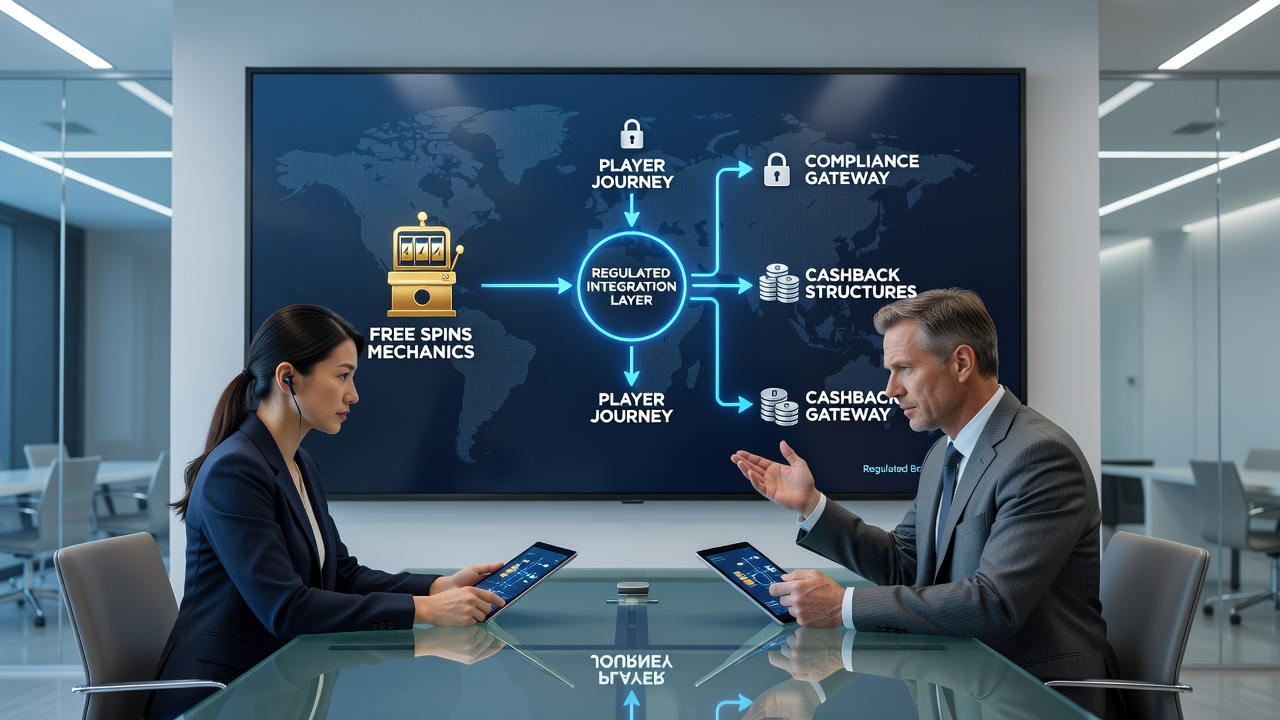
Take one operator that introduced automated reconciliation tools in 2025; their system now flags when free spin winnings exceed a set threshold and routes those amounts into a distinct cashback category with adjusted percentages. Research indicates similar tools appear across multiple sites, driven by the need to handle growing volumes of promotional activity without manual intervention. Observers note that these patterns reduce disputes by providing clear audit trails for every bonus element.
Technical and Compliance Considerations in Pattern Design
Integration requires robust backend architecture capable of handling simultaneous bonus streams without data conflicts. Operators employ database segmentation and real-time APIs to ensure free spins do not inadvertently inflate cashback eligibility. Reports from academic studies on digital gambling systems highlight the role of third-party testing agencies in verifying these calculations before deployment. As of October 2026, several platforms incorporated additional verification layers following changes in tax reporting obligations, which affected how promotional returns factor into overall yield calculations. The patterns therefore serve dual purposes: delivering player incentives while maintaining accurate records for regulatory submissions across jurisdictions.
Player-Facing Implications of Combined Systems
Players navigating these integrated systems encounter terms that specify how free spins and cashback interact during account reviews. Clear labeling on promotional pages helps distinguish between the two, and many operators provide downloadable statements that break down contributions from each mechanic. Data collected through player surveys referenced in industry publications reveals preferences for transparent timelines, particularly when cashback periods overlap with expiring free spin windows. Those who've examined multiple sites find that integration clarity varies, with some platforms offering dedicated help sections that outline exact sequences of application. This information supports informed decisions without requiring external calculation tools.
Conclusion
Integration patterns between free spins and cashback continue to evolve within Britain's regulated casino sector, shaped by technical capabilities, compliance demands, and player activity trends observed through October 2026. Operators apply sequential, parallel, or hybrid approaches depending on their infrastructure and reporting needs, while external analyses from groups such as the Canadian Gaming Association provide comparative context on similar systems elsewhere. These frameworks ensure structured reward delivery alongside precise record-keeping, reflecting ongoing adaptations in a monitored market environment.